
The ICT liquidity sweep strategy in 4 steps, and how it tested

Liquidity, sweep, shift, entry: the four-step ICT setup explained on a chart, then run on a year of Bitcoin. 541 trades, 43% won, and it lost after fees.

November 13, 2026·1:22·4 steps·YouTube Short

4.4· 46 ratings on the App StoreRated 4.4 out of 5

Tutorial

Step by step

4 steps. Press a step’s time to play the video from that moment, and tick steps off as you go.

0 of 4 done

  1. Step 1: Find the liquidity

    Equal lows are where stops tend to sit, just underneath. That's the fuel.

  2. Step 2: Wait for the sweep

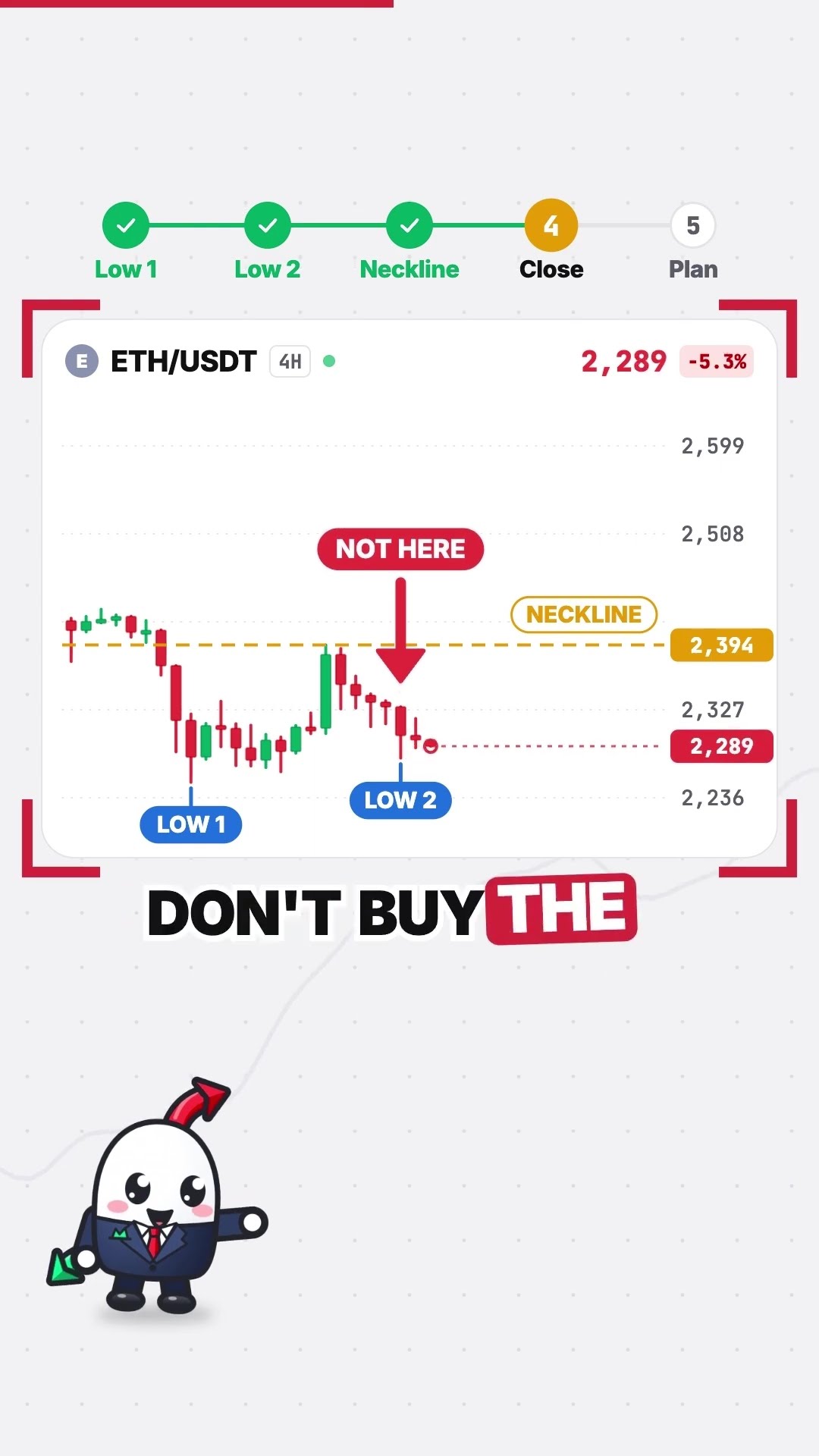
    Price dives through, takes those stops and closes back above. It's tempting to buy here, but it's too early.

  3. Step 3: Wait for the shift

    Price breaks the last high fast and leaves a fair value gap, where candle one and candle three don't touch.

  4. Step 4: Take the entry at the gap

    Don't chase. Wait for price to return to the gap. Stop under the sweep; target the next high.

Tips

  • One winning trade proves nothing. On a year of Bitcoin, 541 trades won 43% and lost after fees. It isn't the only strategy you need on its own.

Educational only, not financial advice. Every setup can fail, so trade with a stop and a plan.
About this video

The ICT model in 4 steps, then we tested it 🧪

1. Liquidity: equal lows, where stops tend to sit. 2. Sweep: price takes them and closes back above. 3. Shift: price breaks the last high and leaves a fair value gap. 4. Entry: back at the gap. Stop under the sweep. Target the next high.

The chart is real: BTC/USDT 5m, 28 Aug 2026. It reached the target, about 1.8× the risk.

The test: these rules, coded strictly, on BTC/USDT 5m from Nov 2025 to Nov 2026 (Binance). 541 trades, 233 won (43%). About break even before fees, a loss after 0.08% a round trip. We tried 16 versions across BTC and ETH, 5m and 15m, and every one lost after fees.

That's one reading of the rules, one year and two markets. It leaves out higher-timeframe bias and a trader's judgement, which is what ICT traders would add. So test your own version first.

The app screens are an illustration drawn to the app's rules, not a recording of a scan. Photo: Carol M. Highsmith, Library of Congress.

Educational only, not financial advice.

Watch on YouTube
Full transcript
  1. This is the only strategy you should use. That's what ICT traders will tell you. Give me a few seconds of your time.
  2. Four steps, then what happened when we tested it. Step one, liquidity. See these equal lows? Stops tend to sit right under them. That's the fuel. Step two, the sweep.
  3. Price dives through, takes those stops, and closes back above. Tempting to buy right here, too early. The next
  4. candle shows why. But first, pause. We just started this page. Follow, like, and repost now. Be a first fan
  5. before it blows up. Those we start with get every guide first. Now watch. Price holds right back. So step three,
  6. the shift. Price breaks the last high fast and leaves a fair value gap. Candle one and candle three don't
  7. touch. Step four, the entry. Don't chase. Wait for the gap. Stop under the sweep. Target the next high.
  8. Target hit. But one trade proves nothing. We ran these rules on a year of Bitcoin. 541 trades. 43% won.
  9. After fees, it lost. So, is it the only strategy? Not by itself. Test it before you trust it.
  10. Snap any chart and SnapTrad marks the levels for you. I've built a step-by-step guide. Comment SnapTrad to get it.

More SnapTrad videos

All 69 videos